
Selling a home is already a major life event. When you add unpermitted room additions, converted garages, or non-code electrical work into the mix, the stress doubles. Many homeowners across Ventura and Oxnard wonder if they can even sell a house with unpermitted work in Ventura County without facing legal trouble or massive financial penalties.
The short answer is yes, you can legally sell. However, navigating the traditional real estate market with non-permitted square footage presents distinct hurdles. Understanding your responsibilities under California law will help you make the best decision for your financial situation.
Understanding Unpermitted Work in Ventura County
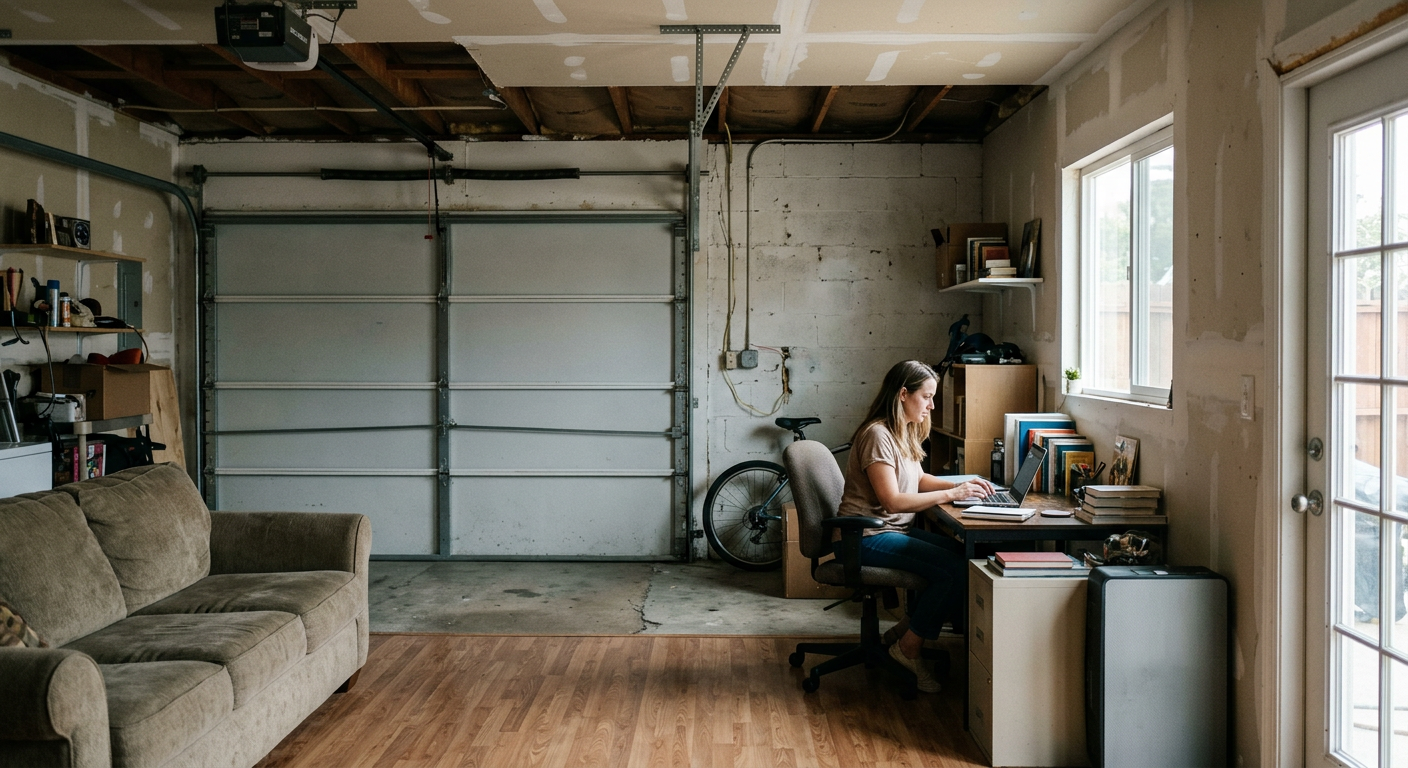
Unpermitted work refers to any structural, electrical, plumbing, or mechanical modification completed without obtaining required permits or passing final city inspections. In Southern California, common examples include:
- Garage conversions turned into secondary living quarters or accessory dwelling units (ADUs).
- Enclosed patios or sunrooms counted as interior living square footage.
- Unpermitted bathroom additions or kitchen expansions.
- DIY electrical panel upgrades, rewiring, or plumbing relocations.
- Decks, covered porches, or detached workshops built past property setbacks.
City building departments in places like Thousand Oaks and Simi Valley strictly enforce California Building Codes. Under state law (specifically the Transfer Disclosure Statement requirement), sellers must disclose all known unpermitted work in writing. Concealing non-permitted modifications can lead to post-sale lawsuits from buyers for misrepresentation.
Why Unpermitted Additions Complicate Traditional Real Estate Sales
When you list a home on the open market with an agent, unpermitted work creates immediate friction during three main stages of the transaction:
1. Buyer Financing Fails at Appraisals
Most traditional buyers use conventional, FHA, or VA home loans. Mortgage lenders require a professional appraisal to confirm value and safety. If the public property records show 1,400 square feet, but the home measures 1,800 square feet due to an unpermitted bedroom, the appraiser will exclude that extra space from the valuation. Worse, FHA and VA appraisers may flag non-code electrical or structural work as safety hazards, refusing loan approval until the work is corrected or removed.
2. High Cost of Retroactive Permitting
Attempting to legalize past work through local agencies—such as the Ventura County Resource Management Agency or municipal building divisions in Camarillo or Moorpark—can be extremely expensive. Bringing old work up to current building codes often requires tearing open drywall for wiring inspections, installing new foundation footings, or paying retroactive permit fees and penalties. In many cases, fixing unpermitted space costs more than the value it adds.
3. High Rate of Canceled Escrows
Traditional real estate sales in Ventura County experience an average days on market of 26 days. However, homes with permitting flaws often sit much longer. Nationwide, up to 15% of traditional home sales fall through due to financing hurdles or inspection issues. Unpermitted work is one of the top reasons buyers back out during the physical inspection contingency period.
Why A Cash Sale Makes Sense for Homes with Unpermitted Work
If you want to avoid retrofitting costs, city inspections, and buyers backing out, selling your house directly for cash offers a direct path forward.
When you work with a direct buyer, you skip the entire public listing process. Direct buyers purchase residential real estate completely as-is. This means you do not have to legalize that converted garage in Santa Paula or tear down an unpermitted patio in Fillmore. You simply disclose what you know, accept an all-cash purchase offer, and close on your chosen schedule.
Want to know what we'd pay for your home?
No pressure, no obligation — just an honest number in 24 hours.
How The Process Works When Selling to The Higher Offer
Selling a property with unpermitted improvements does not need to involve months of paperwork or city code hearings. Learn more about how the process works when you sell directly to a local home buyer:
- Reach Out: Contact us online at thehigheroffer.com or call (805) 341-3419. Tell us about the property, including any unpermitted additions or unfinished updates in areas like Ojai or Port Hueneme.
- Property Evaluation: We conduct a quick, private walk-through. There is only one showing—just us. You do not need to clean, paint, or make any structural changes.
- Receive Your Cash Offer: We deliver a clear, written cash offer within 24 hours. There are never any obligations or high-pressure sales tactics.
- Choose Your Closing Date: If you accept, we close escrow at a local title company in as few as 7 days, or whenever you are ready. We pay for all standard seller closing costs.
What You Keep vs. What You Would Lose Listing Traditionally
Many homeowners assume listing on the open market yields the highest net payout. However, once you factor in code compliance repairs, real estate commissions, and fee deductions, traditional listings often cost significantly more out-of-pocket.
Consider the numbers on a typical Ventura County property with a median home price of approximately $920,000:
- Agent Commissions: Real estate commissions average 5% to 6% of the sale price. On a $920,000 home, a 5% commission equals $46,000, while a 6% commission totals $55,200.
- Seller Closing Costs: Standard closing fees in California run an additional 1% to 2% ($9,200 to $18,400).
- Retrofit & Repair Costs: Correcting an unpermitted space or offering concessions to a skittish buyer often reduces your net payout by tens of thousands of dollars.
When selling directly to The Higher Offer, you pay 0% in agent commissions and $0 in closing costs. The amount written on your cash offer is what you keep at the closing table.
Ventura County Market Context
Ventura County remains a high-value real estate region, with local median home prices hovering around $920,000. Properties move relatively fast, averaging 26 days on market for standard homes in pristine condition.
However, local buyers are increasingly cautious about non-compliant properties due to strict municipal enforcement in cities like Newbury Park, Westlake Village, and Oak Park. Cash transactions now represent roughly 41.7% of all U.S. residential purchases. Cash offers eliminate mortgage underwriting, property appraisals, and city permit delays entirely. Whether your home is located in Oak View or tucked away in Somis, direct cash sales provide absolute certainty in a shifting real estate market.